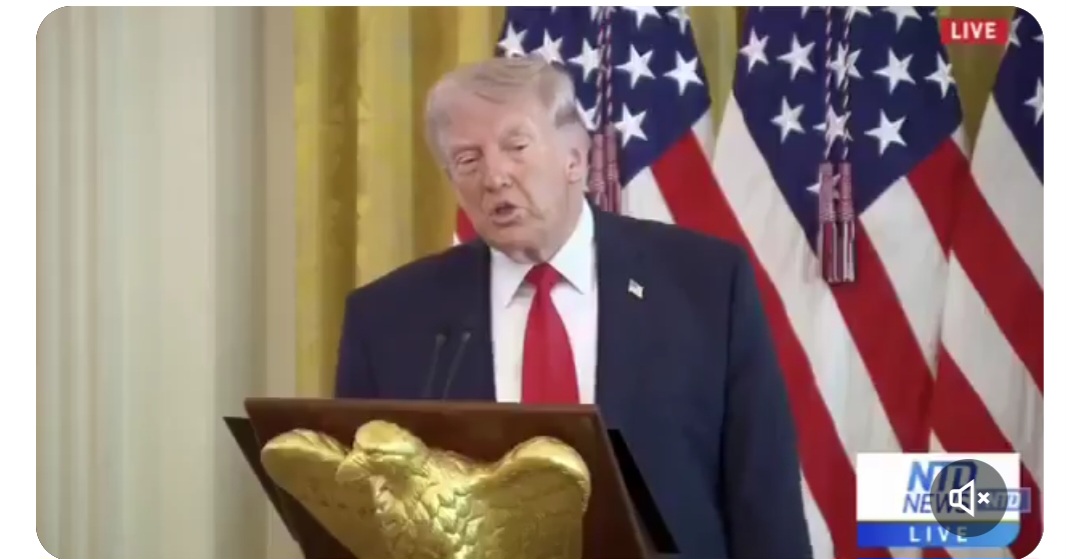
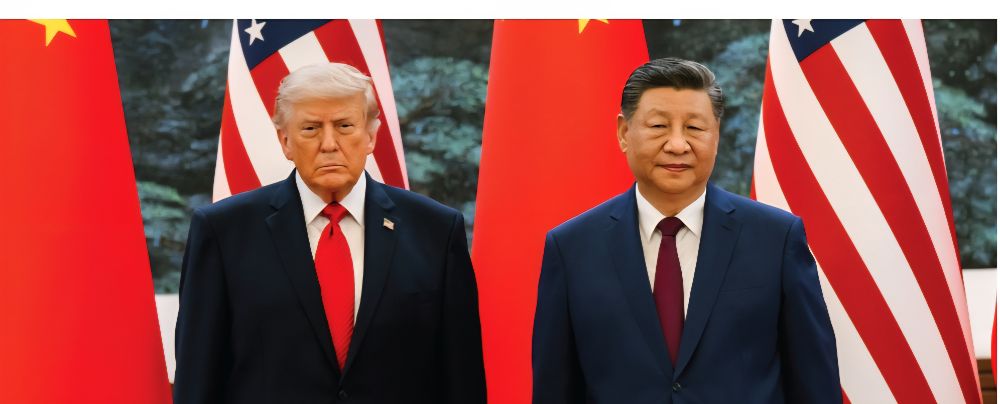
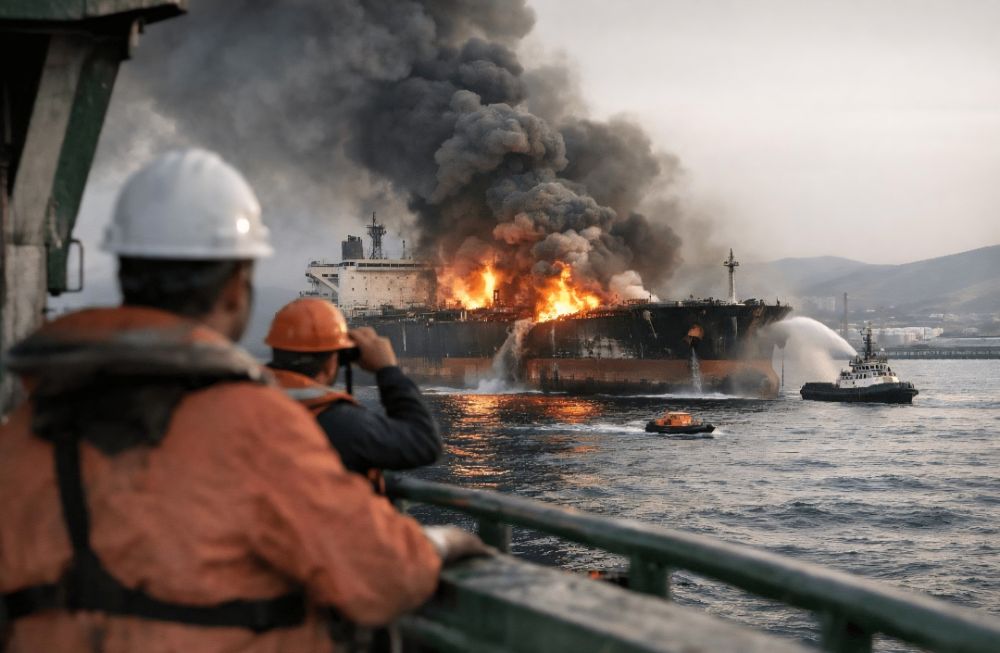
Washington, D.C. | April 2, 2026 U.S. President Donald Trump has sparked fresh debate over global energy security and military strategy after suggesting that China should take greater responsibility for safeguarding oil shipments through the Strait of Hormuz. In a recent statement, Trump claimed that China depends heavily on oil transported through the crucial maritime route, asserting that “they get 90% of their oil from the Strait of Hormuz” and should therefore “be policing their own strait.” He also indicated that the United States may be preparing to reduce its presence in the region, saying, “We’re getting ready to get out of there.” The Strait of Hormuz, located between the Persian Gulf and the Gulf of Oman, is one of the world’s most strategically important chokepoints, handling a significant portion of global oil trade. Any shift in security responsibilities in the area could have wide-ranging implications for international markets and geopolitical stability. Trump’s remarks come amid ongoing tensions in the Middle East and increasing competition between the United States and China over global influence. Analysts note that a reduced U.S. role in the region could open the door for other powers, including China, to expand their strategic footprint. However, experts also caution that China has traditionally relied on international naval cooperation rather than direct policing of distant maritime routes. Any move toward a more active security role in the Strait of Hormuz would mark a major shift in Beijing’s foreign policy approach. The comments have yet to receive an official response from Chinese authorities, but they are likely to add to the broader discussion on burden-sharing and the future of global maritime security.
Trump Says China Should Police Strait of Hormuz, Signals Possible U.S. Pullback
Donald Trump says China should secure the Strait of Hormuz and hints at a U.S. withdrawal, raising questions over global oil security and geopolitical balance.


Comments
Sign in with Google to comment.