Dateline: Tehran/Washington | May 8, 2026
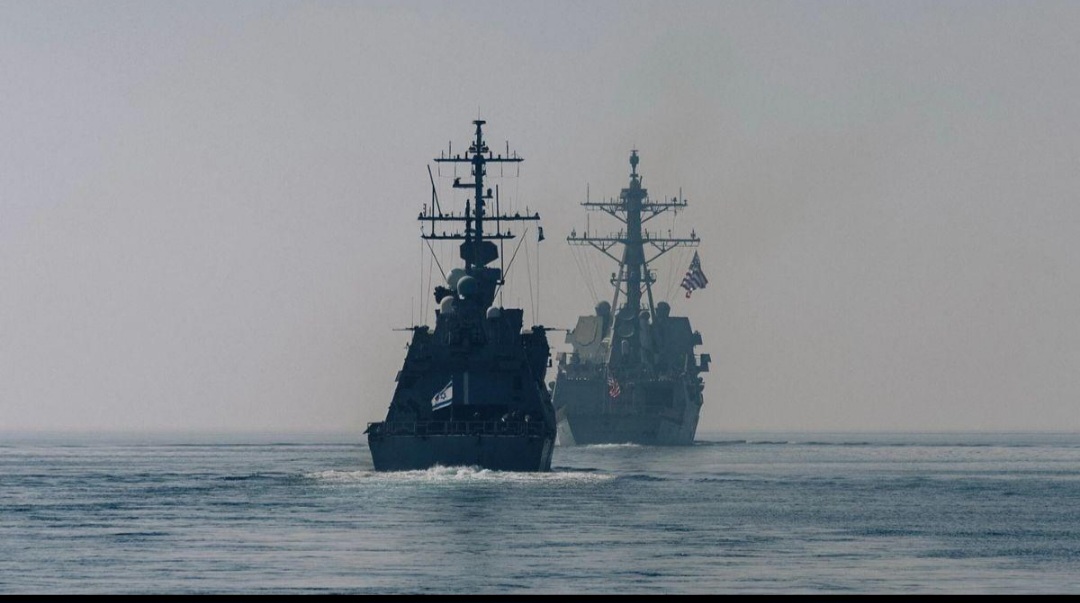
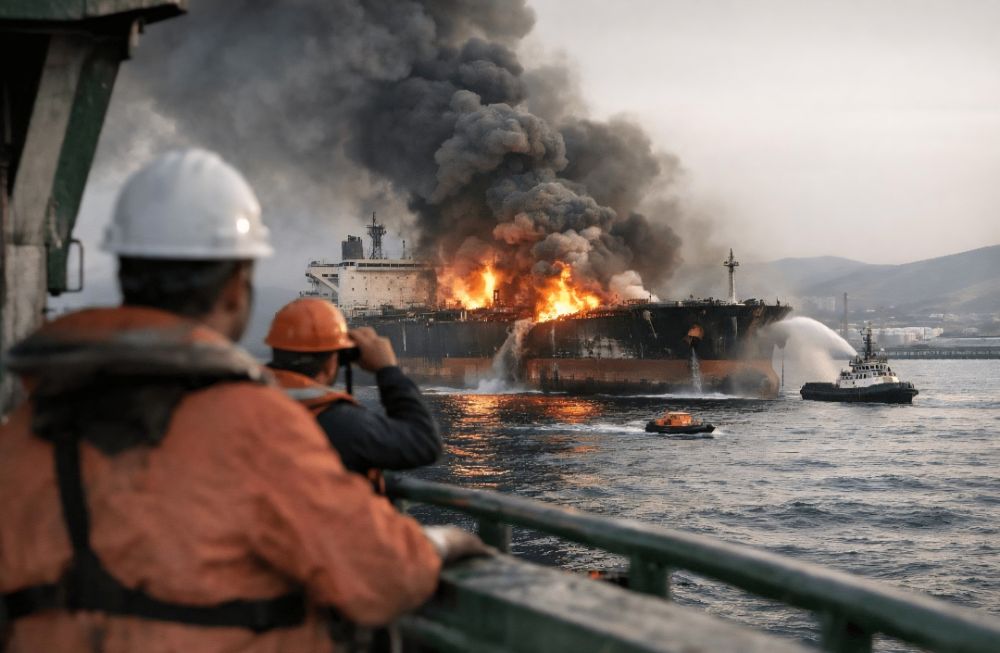
Tensions in the Gulf region escalated dramatically on Thursday after Iranian state media claimed that U.S. military naval units operating near the strategically vital Strait of Hormuz came under Iranian missile fire. The reported retaliation followed what Tehran described as a U.S. military attack on an Iranian oil tanker in Gulf waters.
According to Iranian state television, an unnamed military official alleged that Iranian forces launched missile strikes targeting American naval assets after the tanker incident. Tehran accused Washington of carrying out a “provocative and illegal act” aimed at disrupting Iranian maritime operations in the region.
The United States has not officially confirmed the alleged tanker strike or the reported missile exchange. However, defense observers say the latest confrontation marks one of the most dangerous flashpoints between Washington and Iran in recent months, raising fears of a wider military escalation across the Gulf.
The Strait of Hormuz remains one of the world’s most critical energy corridors, with a significant portion of global oil shipments passing through the narrow waterway daily. Any military confrontation in the area is likely to trigger global concerns over energy security, oil prices, and international shipping routes.
Military analysts warn that direct engagement between Iranian missile units and U.S. naval forces could rapidly spiral into a broader regional conflict involving multiple Gulf nations. Several commercial vessels reportedly altered their routes after reports of explosions and missile activity surfaced near the shipping lane.
Global markets are closely monitoring developments as diplomatic pressure mounts for immediate de-escalation. International leaders have urged both sides to avoid further military action that could destabilize the already volatile Middle East region.











Comments
Sign in with Google to comment.