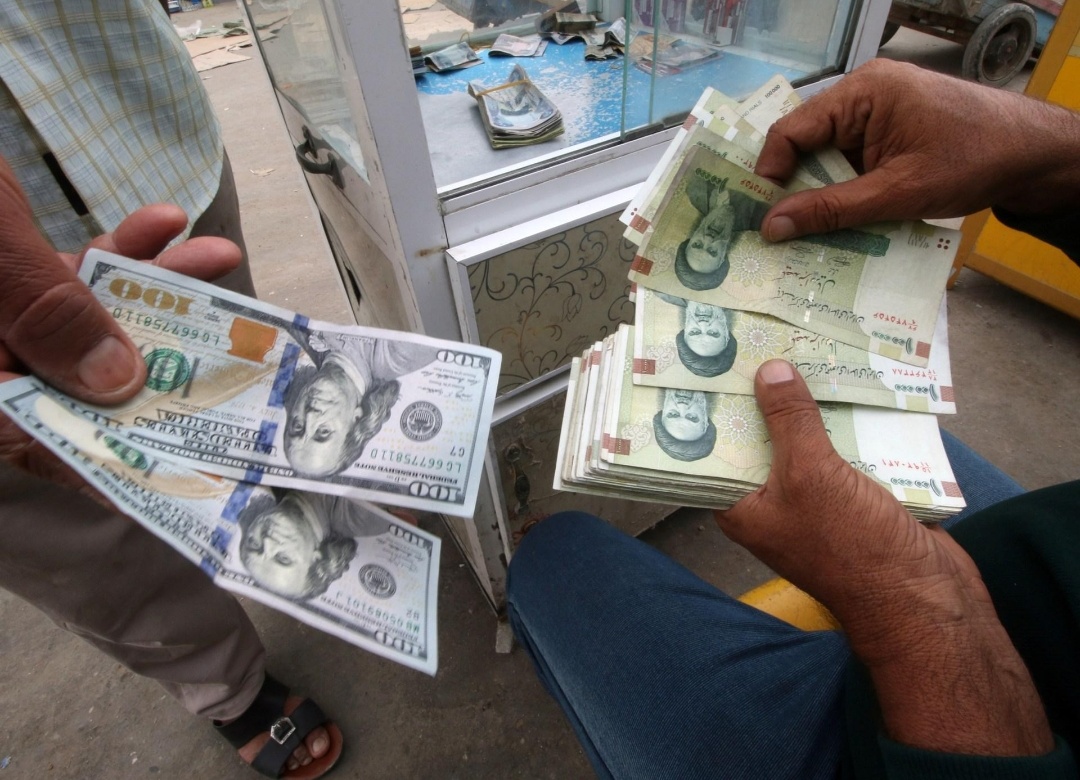
Tehran | May 13, 2026
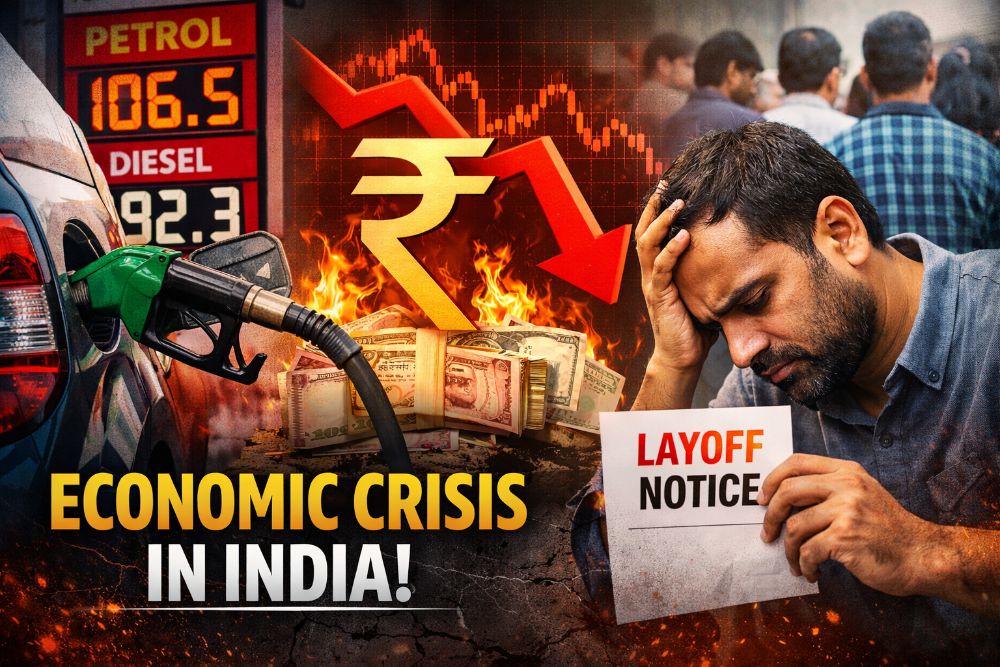
Iran is facing one of its toughest economic challenges in decades as surging inflation, a weakening currency and tighter U.S. sanctions put immense pressure on the country’s ability to sustain a prolonged conflict. With prices of essential goods rising sharply and public frustration growing, Tehran is being forced to fight on both military and economic fronts.
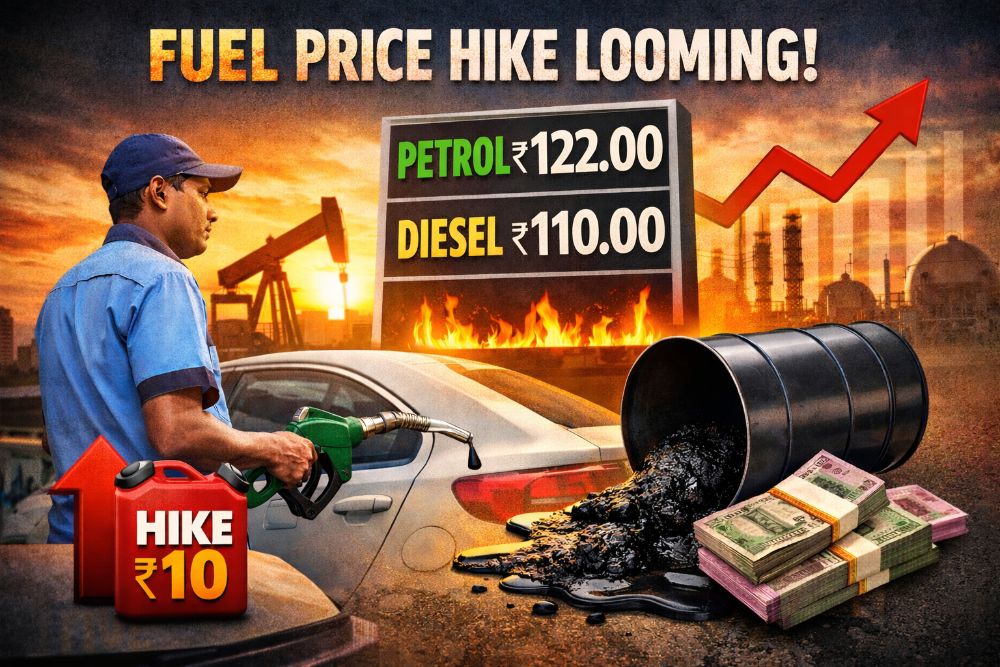
The cost of living in Iran has climbed dramatically over the past year. Food, fuel and medicine have become increasingly expensive, while the Iranian rial continues to lose value against major currencies. For ordinary families, shrinking incomes and rising prices are deepening financial hardship and fueling concerns about social unrest.
Iran’s oil exports, the backbone of its economy, have come under renewed strain as Washington intensifies sanctions and increases pressure on countries and companies dealing with Tehran. Restrictions on shipping and banking have made it more difficult for Iran to earn foreign exchange and pay for critical imports. Industries across the country are also feeling the impact.
Manufacturers are struggling to secure raw materials and spare parts, while many businesses are cutting jobs or reducing production. Economists warn that Iran could slide deeper into recession if the conflict drags on and access to global markets remains constrained.
Despite the economic pain, Iranian leaders have vowed to resist external pressure and maintain national resilience. However, analysts say the biggest threat to Tehran may not be on the battlefield but in the domestic economy, where rising inflation and public anger could become increasingly difficult to contain.





Comments
Sign in with Google to comment.