Dateline: Kolkata | May 3, 2026
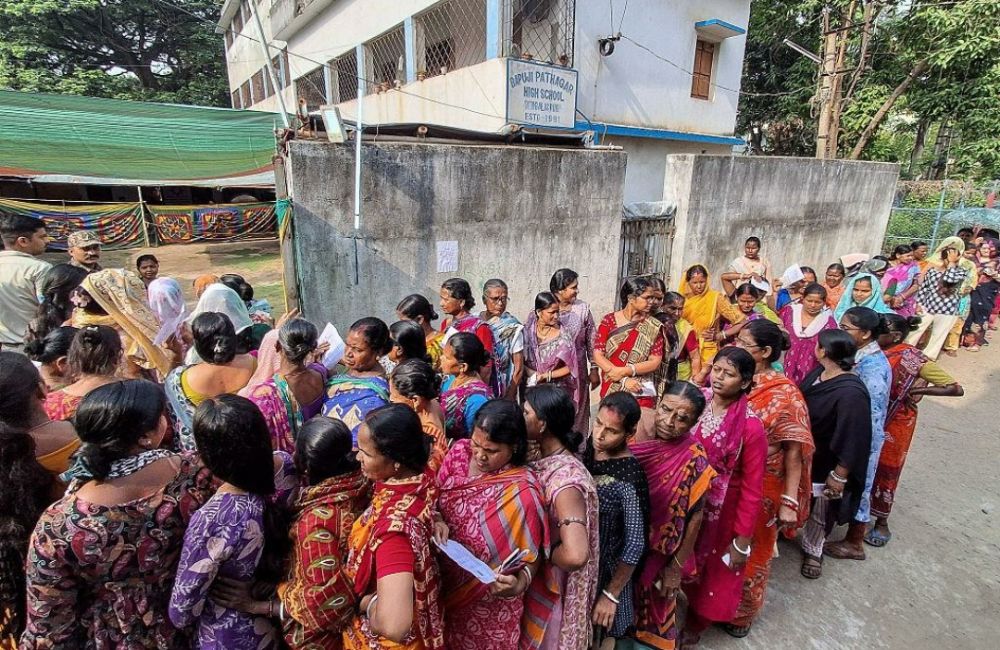
In a development that has sparked sharp criticism across political and public circles, the Election Commission of India is facing intense scrutiny over repeated poll failures in parts of West Bengal. Reports of certain assembly segments going to polls multiple times due to violence, malpractice, and administrative lapses have raised troubling concerns about the robustness of India’s electoral machinery.
The controversy stems from instances where elections had to be conducted as many as three times in select constituencies—an extraordinary and alarming situation in the world’s largest democracy. Re-polling is not new in Indian elections, but repeated failures in ensuring a free and fair process point to deeper systemic cracks that critics say cannot be ignored any longer.
Opposition parties have launched a blistering attack, accusing the Commission of failing in its constitutional duty to maintain neutrality and enforce electoral discipline. Allegations range from inadequate deployment of central forces to delayed response in violence-prone zones, leading to compromised voting processes and disenfranchisement of citizens.
Political analysts argue that such repeated electoral disruptions erode public trust and damage India’s democratic image globally. “When voters are forced to return to polling booths again and again due to mismanagement, it reflects not just administrative inefficiency but institutional weakness,” experts warn.
The situation in Bengal, historically known for politically charged elections, appears to have crossed a line this time. With reports of booth capturing, intimidation, and voter suppression surfacing repeatedly, questions are being raised about whether sufficient preventive measures were ever in place.
As the debate intensifies, calls for accountability are growing louder. Civil society groups and constitutional experts are demanding a transparent review of the lapses and strict action against officials responsible. For many, this is no longer just about one state—it’s about safeguarding the credibility of India’s entire electoral system







Comments
Sign in with Google to comment.