New Delhi, June 4:
The cancellation of the NEET examination following allegations of widespread paper leaks has triggered a fresh political and social storm after a young medical aspirant allegedly died by suicide, unable to cope with the prospect of retaking the highly competitive test.
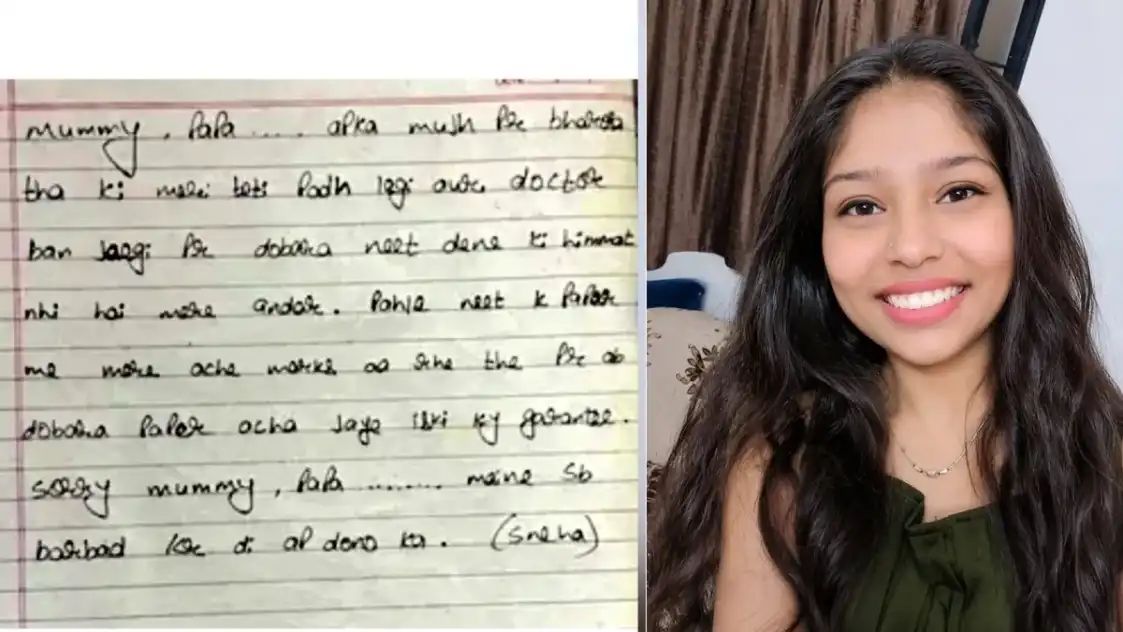
Akanksha Chaturvedi, a student from Madhya Pradesh preparing for NEET in Nagpur, reportedly took her own life on May 20, just days after authorities cancelled the May 12 examination. The tragedy has resurfaced in the national spotlight after her handwritten suicide note went viral on social media, drawing sharp reactions from opposition leaders and student organizations.
In the note, Akanksha expressed fear and uncertainty about appearing for the examination again.
"Mother, Father, please forgive me. You believed I would study hard and become a doctor. I do not have the courage to take the NEET exam again. I may have scored well in the first attempt, but I am not confident I can do it a second time. I have ruined everything," she reportedly wrote.
Her father, Krishna Kumar Chaubey, a small farmer from Madhya Pradesh's Mauganj district, had allegedly borrowed nearly ₹3 lakh through a Kisan Credit Card scheme to fund her education. To support her studies, he also worked as a cook in Nagpur. The family's sacrifices were shattered when the examination was cancelled amid the paper leak controversy.
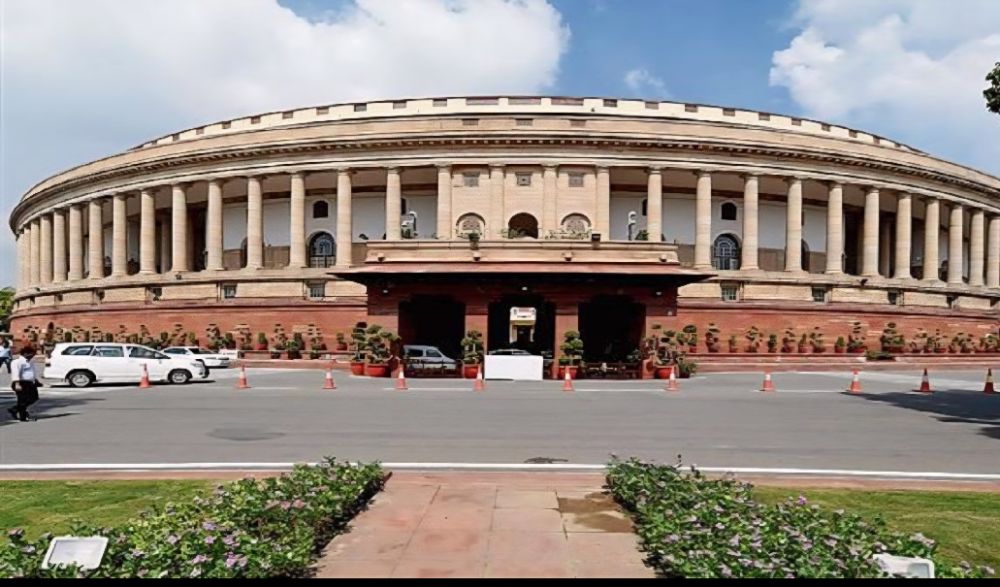
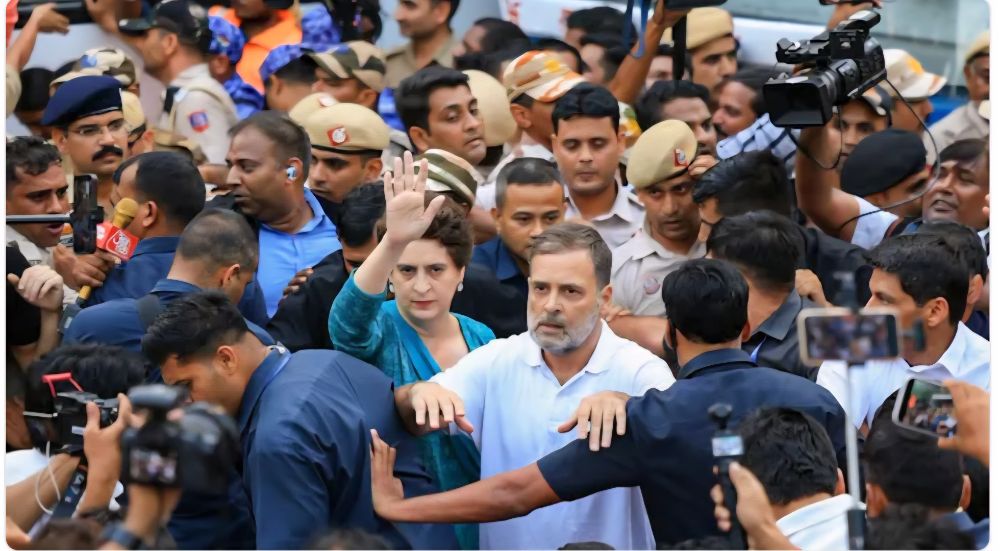
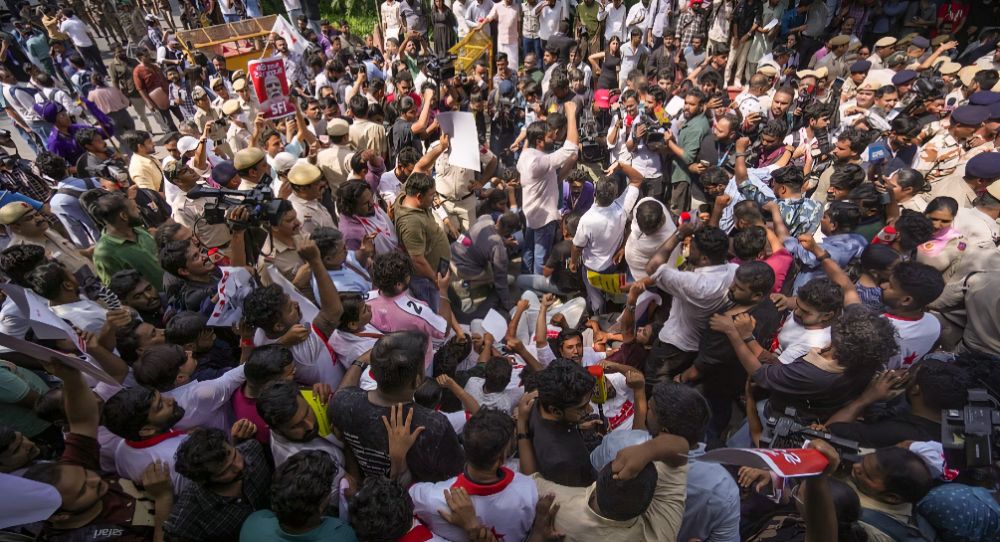
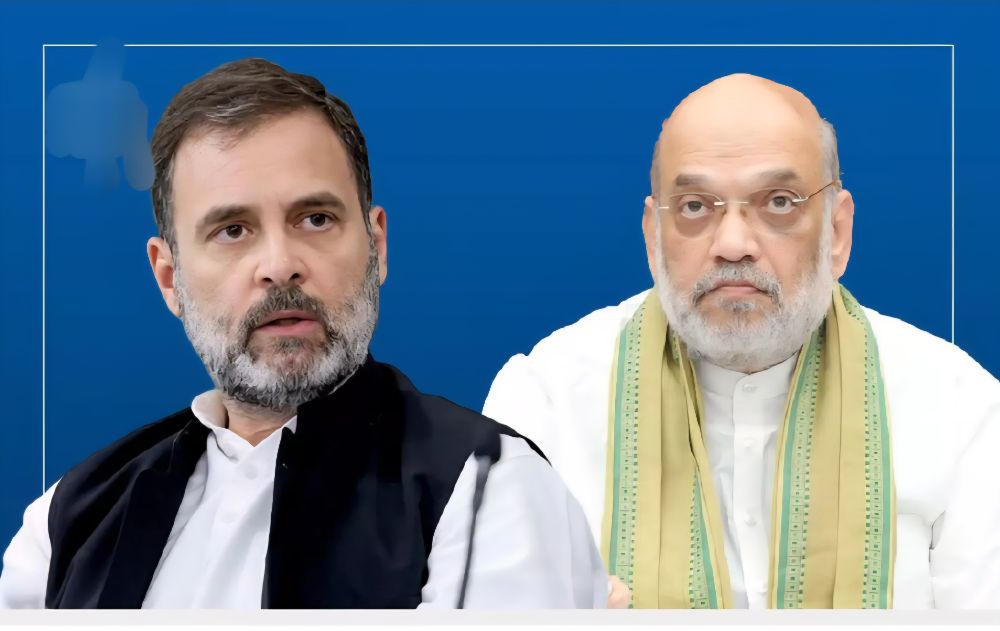
The incident has ignited a fierce political debate. Opposition leaders have accused the government of failing to protect the integrity of one of India's most important entrance examinations, arguing that students are paying the price for systemic failures.
Reacting to the case, opposition leaders highlighted the immense pressure faced by aspirants and questioned the handling of the examination process. Student organizations have also demanded accountability and support for affected families.
The tragedy has renewed concerns over the mental health crisis among competitive exam candidates. Reports indicate that dozens of students have died by suicide in recent years while dealing with the pressure of medical entrance examinations. Activists argue that recurring paper leaks, uncertainty over exam schedules, and the intense competition surrounding NEET have created a dangerous environment for vulnerable students.
As outrage grows, education activists and student groups are demanding stricter safeguards against examination fraud, better psychological support systems for aspirants, and accountability for those responsible for compromising the examination process.
The death of Akanksha Chaturvedi has become a powerful symbol of the human cost of exam-related failures, raising difficult questions about whether India's education system is adequately protecting the dreams—and lives—of its students.





Comments
Sign in with Google to comment.