
Recent U.S. and allied strikes have inflicted heavy damage on Iran's nuclear infrastructure, delaying its program by months to years, though critical enriched uranium stockpiles remain unaccounted for. Assessments from satellite imagery and intelligence show major facilities crippled but not entirely eliminated.
Key Facilities
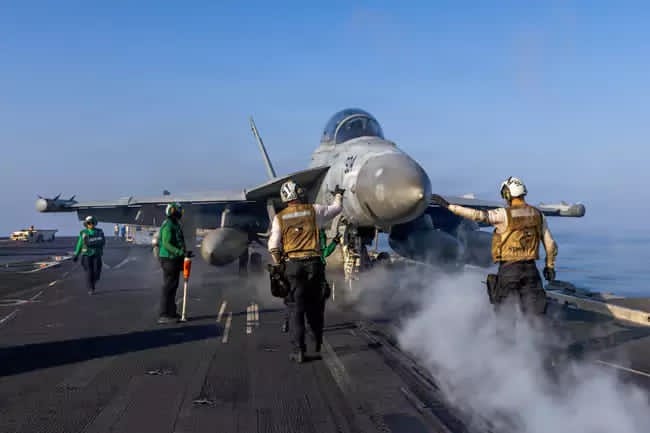
Hit HardIconic sites including Fordow's underground centrifuges, Natanz enrichment halls, and Isfahan's conversion plants suffered devastating blows from bunker-buster munitions. Above-ground structures at Esfahan—spanning 18 buildings—are rubble, with seismic data indicating underground cascades likely wrecked beyond quick repair. No widespread radiation detected, per Iranian reports, but access restrictions hinder full IAEA verification.
Enriched Uranium MysteryAround 400 kg of near-weapons-grade (60%) uranium hexafluoride persists in unknown locations—potentially dispersed pre-strikes via observed truck movements or buried under debris. U.S. claims of total destruction clash with Tehran's assertions of intact reserves, fueling debates on breakout timelines now extended to 2-3 years minimum.
Path Forward
Amid RebuildingIran signals rapid reconstruction using enduring expertise, with fresh satellite shots revealing activity at strike zones despite the chaos of ongoing war. Public rhetoric hints at accelerated weaponization for deterrence, testing NPT boundaries. Experts warn full capacity could return sooner than Washington's "years" estimate if stockpiles evade further targeting.










Comments
Sign in with Google to comment.