Dubai | May 13, 2026
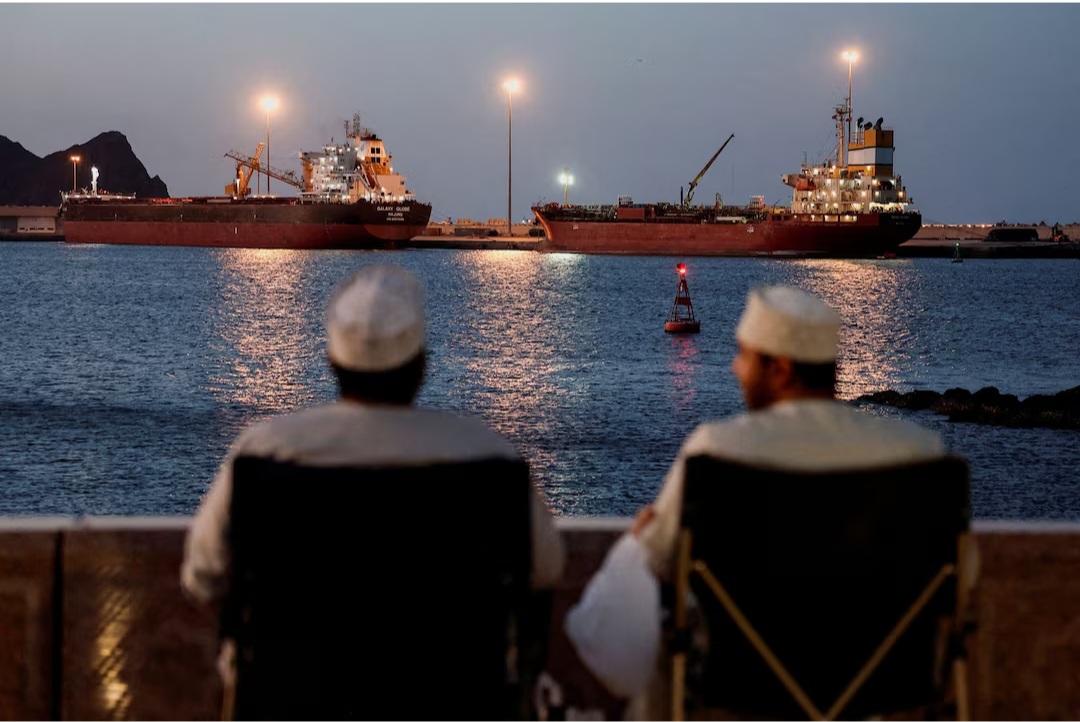
Iran has reportedly reached separate understandings with Iraq and Pakistan to ensure the continued movement of crude oil and liquefied natural gas (LNG) through the .Strait of Hormuz, underlining Tehran’s strategic influence over one of the world’s most critical energy routes.
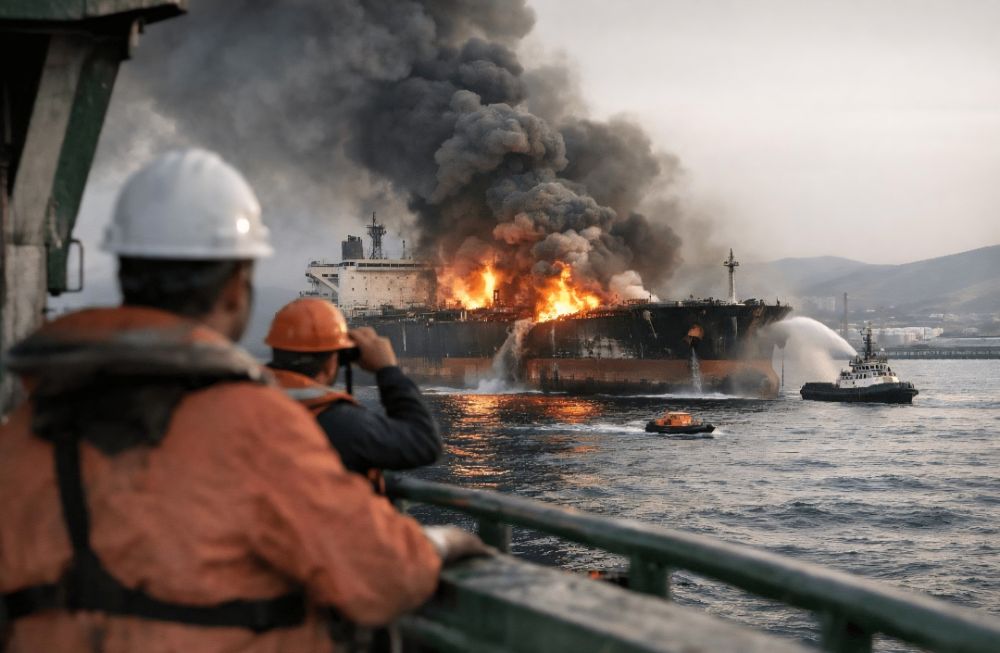
The Strait of Hormuz remains the primary shipping corridor for Gulf oil and gas exports. Any disruption in this narrow passage can trigger volatility in global energy markets and lead to sharp increases in crude oil and LNG prices. Iraq, which relies heavily on oil exports to fund its economy, is said to have obtained assurances from Tehran that its crude shipments will be allowed to pass safely through the region despite mounting geopolitical tensions.
Pakistan has also moved to protect its energy interests by securing commitments that LNG cargoes destined for its ports can continue to transit the Gulf without interruption. The arrangement is expected to help Islamabad avoid fuel shortages and stabilize power supplies.
Energy experts say Iran appears to be exercising selective control over shipping traffic rather than imposing a blanket closure of the Strait of Hormuz. This strategy allows Tehran to retain diplomatic leverage while minimizing broader economic fallout.
The development has drawn close attention from major energy-importing nations, including India, China, Japan, and European countries, all of which depend on uninterrupted flows through the Strait of Hormuz.











Comments
Sign in with Google to comment.