Weekend Special | By Vijayendar Reddy +91 8019992283
Date Line Kalkota May 02,2026
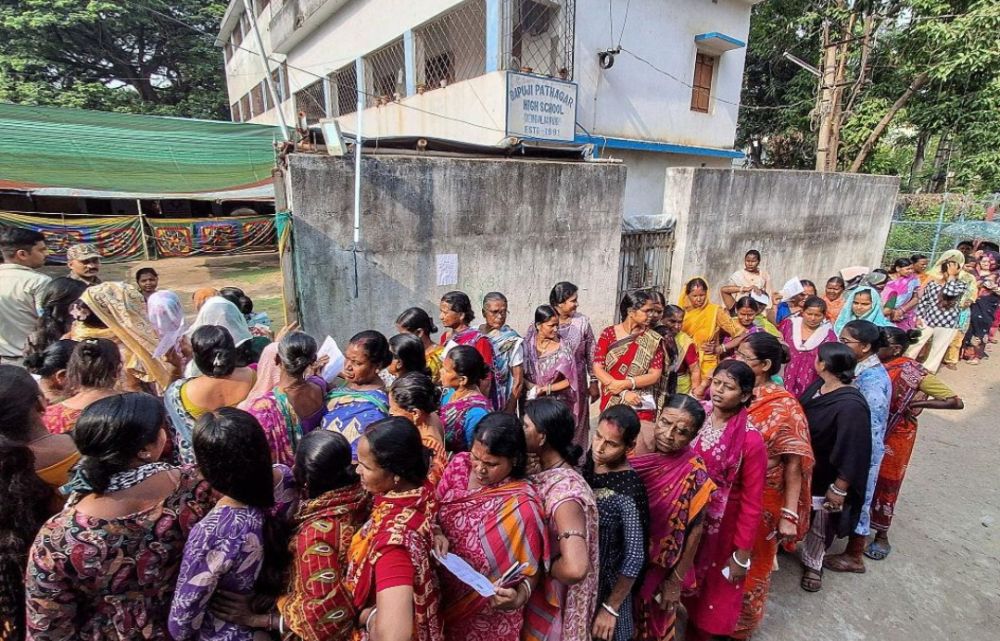
West Bengal’s high-voltage political battle has taken an unexpected turn, as exit polls struggle to decode the true mood of the electorate. While numbers are being projected and trends debated, the ground reality tells a very different story. Survey agencies are facing a major roadblock—voters are simply refusing to reveal who they voted for. This silence is not random; it signals something deeper brewing beneath the surface.
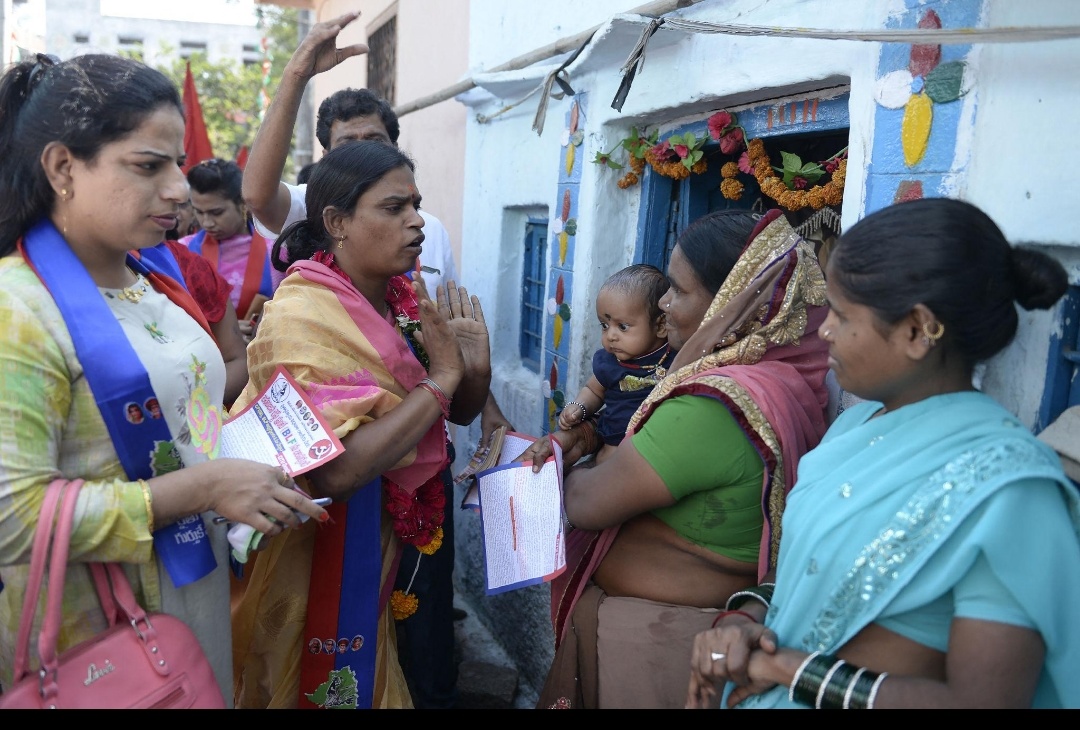
According to the latest exit poll data, only about 40% of voters have shared their preferences, leaving a massive 60% completely unresponsive. When approached, many voters are pushing back strongly, questioning surveyors with, “Why should we tell you who we voted for?” This sharp resistance is rattling polling agencies and raising serious questions about the credibility of current projections
On the ground, this is not confusion—it’s calculated silence. Voters appear to have made firm decisions but are consciously choosing not to disclose them. Whether driven by political pressure, fear of repercussions, or strategic secrecy, this trend marks a significant shift from previous elections. The so-called “silent voter” phenomenon is now emerging as a decisive factor.
Political analysts warn that this silence could dramatically alter the final outcome. Exit polls may be painting one picture, but the actual results could swing in a completely different direction. Relying solely on these early projections, experts say, could be misleading and even risky.
In essence, West Bengal’s voters are holding their cards close to their chest. The exit polls tell one story—but the silence hides another. When results are finally declared, this quiet electorate could unleash a political shockwave that reshapes the state’s power dynamics.
.








Comments
Sign in with Google to comment.