Geneva / Kinshasa / Kampala | May 17, 2026
Global Health Desk
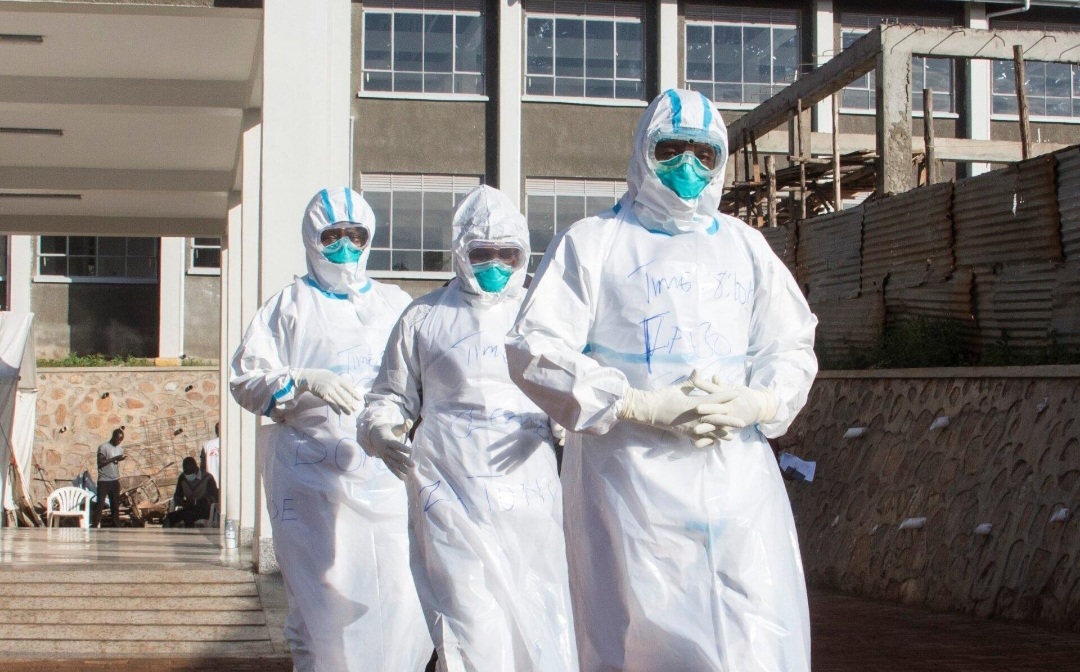
The World Health Organization (World Health Organization) has officially declared the ongoing Ebola outbreak in the Democratic Republic of the Congo and Uganda a Public Health Emergency of International Concern (PHEIC), raising global alarm over the rapidly spreading virus and escalating fatalities in Central Africa.
The decision comes after a sharp rise in confirmed cases of Ebola Virus Disease across border regions between the Democratic Republic of the Congo and Uganda, with health authorities reporting new infections in remote as well as urban clusters.
WHO Director-General Dr. Tedros Adhanom Ghebreyesus said the situation demands urgent international coordination, citing concerns over cross-border transmission, weak surveillance systems, and limited treatment capacity in affected regions.
Rapid Spread Raises Alarm
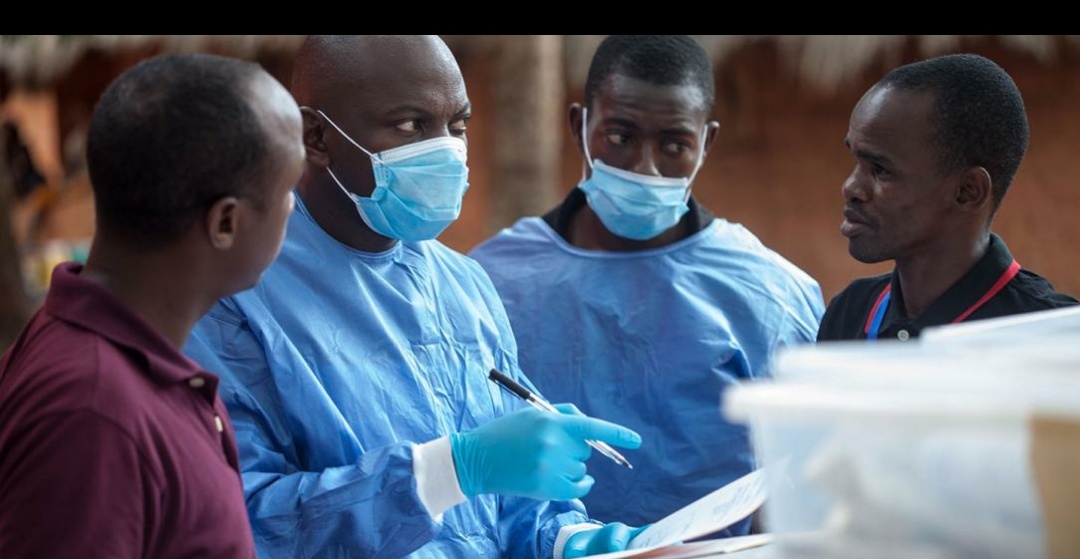
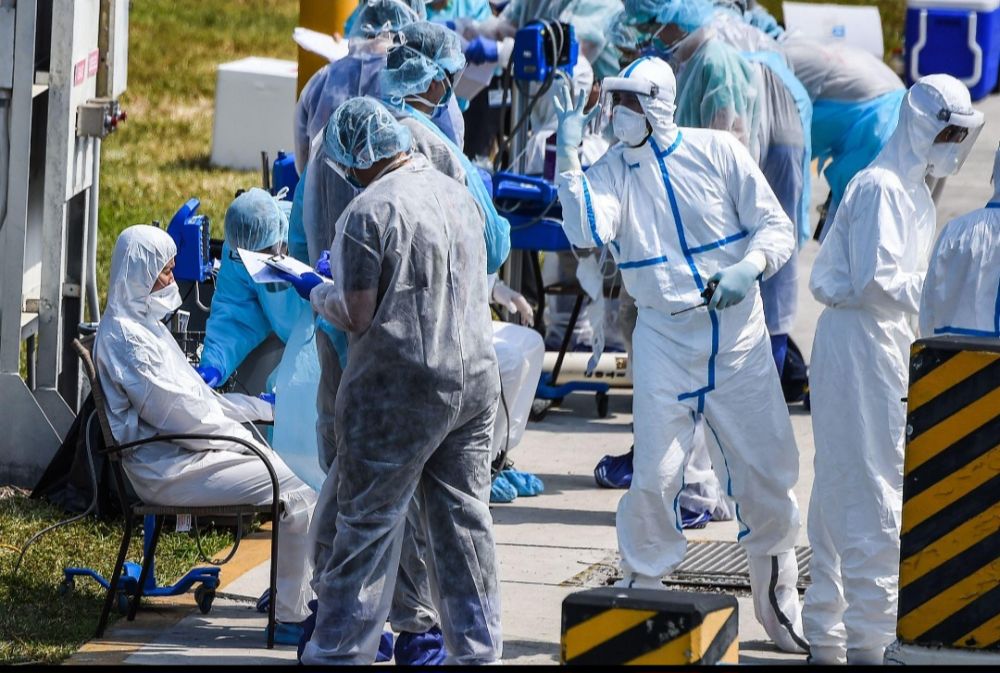
Health officials in both countries have confirmed that the outbreak is spreading faster than previous localized flare-ups, with several high-risk districts now under strict containment protocols. Emergency response teams have been deployed to trace contacts, isolate suspected cases, and accelerate vaccination drives in hotspot zones. Medical experts warn that population movement between Congo and Uganda is increasing the risk of wider regional spread if containment measures fail.
Global Response Intensifies
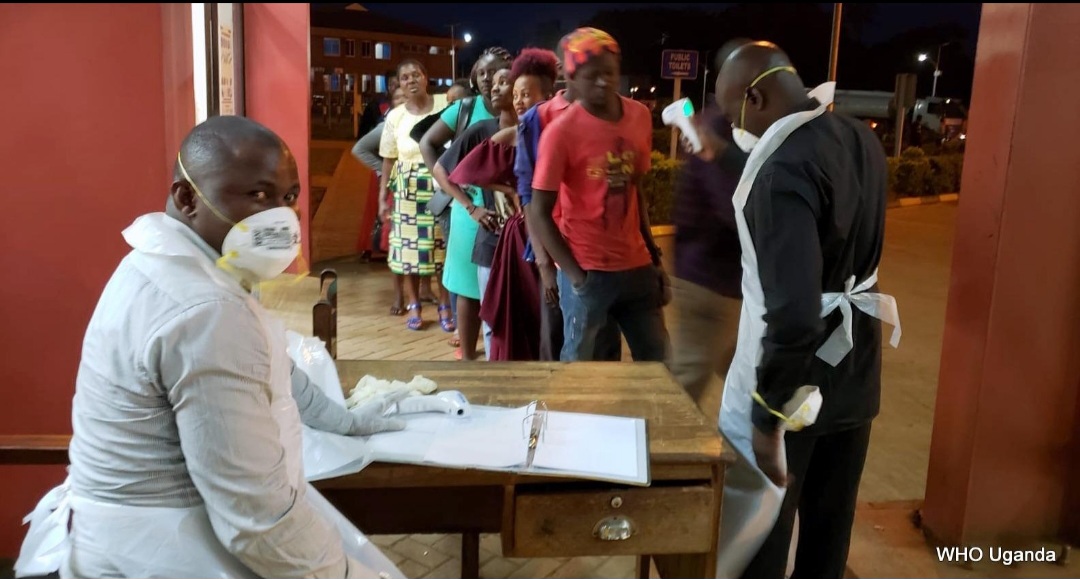
The WHO has urged member states to strengthen screening at international borders and increase funding for outbreak response teams. Emergency vaccine stockpiles are being mobilized, while frontline health workers are being prioritized for immunization. Humanitarian agencies are also working to address shortages of protective equipment, laboratory capacity, and rapid testing kits in rural health centers. Situation Under Close Monitoring Officials emphasized that while the risk of global spread remains moderate,
The situation is “serious and evolving,”
requiring immediate international attention and cooperation. Further updates are expected as surveillance operations continue across affected regions in Central and East Africa.












Comments
Sign in with Google to comment.