
KINSHASA / GENEVA, May 17, 2026
The global health alarm has been officially raised as the World Health Organization declared a Public Health Emergency of International Concern (PHEIC) following a rapidly escalating Ebola outbreak in Central and East Africa. The decision comes as the situation spirals out of control across the Democratic Republic of the Congo and Uganda, where the virus is spreading with alarming speed. Health authorities report more than 300 suspected cases and at least 88 deaths, underscoring the brutal intensity of the outbreak.
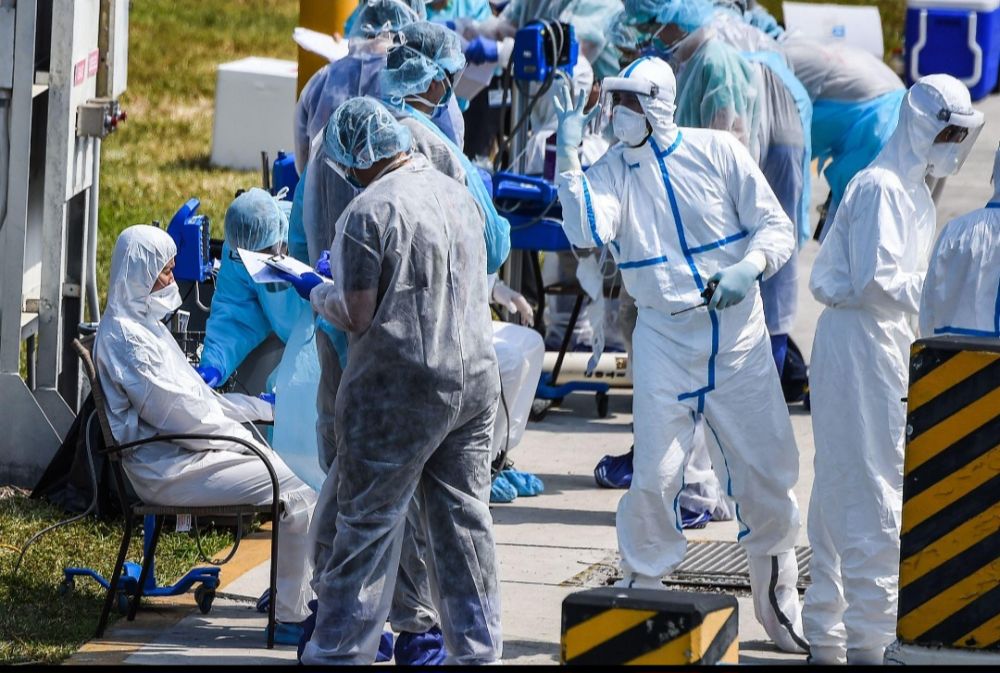
The numbers are expected to rise as surveillance teams continue to uncover new chains of transmission in remote and urban regions alike. Medical systems in affected zones are under severe strain, struggling to contain the surge.
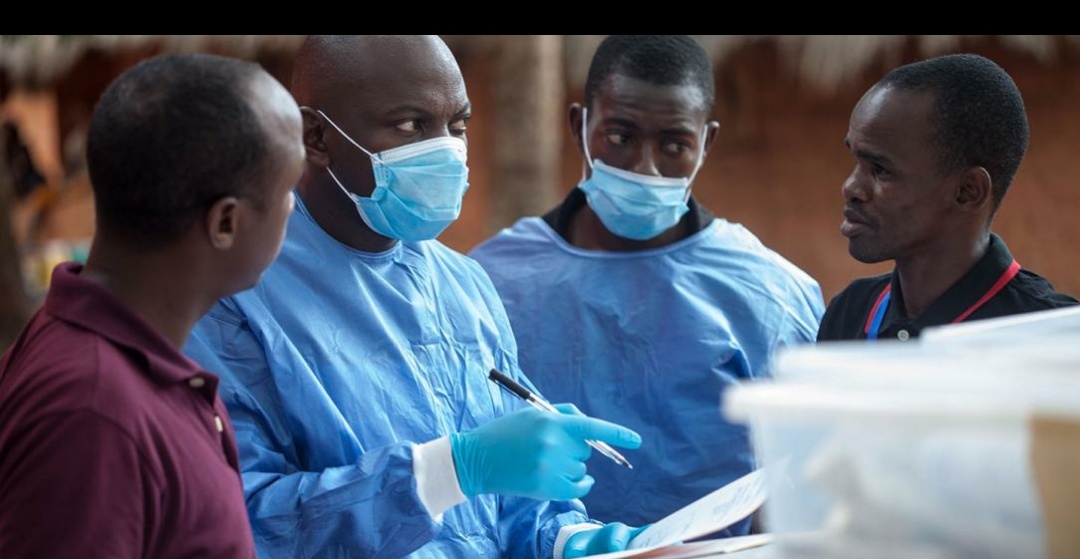
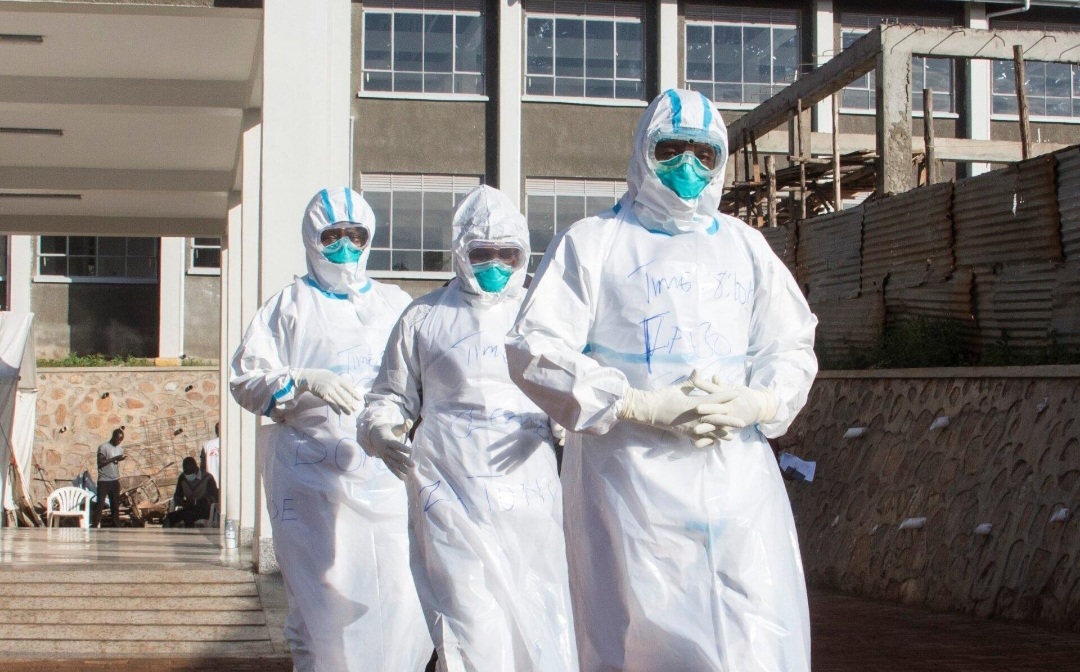
The outbreak, driven by the highly lethal Ebola virus disease, has triggered panic among frontline health workers due to its aggressive transmission through bodily fluids. Experts warn that without immediate and coordinated international intervention, the virus could breach additional borders, raising the risk of a wider continental crisis.
The WHO emergency declaration is intended to accelerate global response efforts, unlock funding, and fast-track deployment of vaccines and treatment support. However, health experts caution that bureaucratic delays and weak border controls in affected regions could undermine containment strategies at a critical stage of the outbreak.
As the world watches closely, the situation remains volatile and highly dangerous. Governments are being urged to strengthen surveillance, enforce travel screening, and support rapid-response medical teams before the outbreak evolves into a far more catastrophic global health threat.












Comments
Sign in with Google to comment.