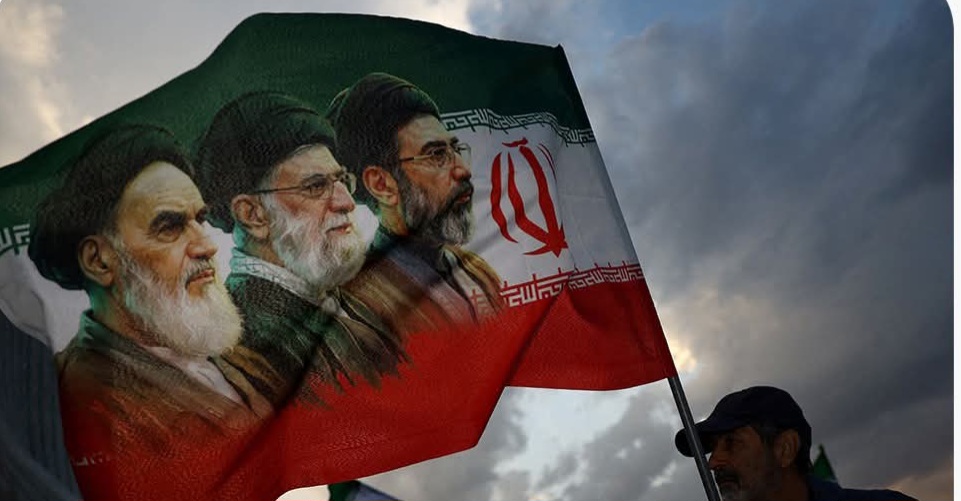
Iran Eyes Undersea Internet Cables in Strait of Hormuz as Strategic Leverage
Tehran | May 9, 2026: The Strait of Hormuz has long been seen as the world’s most sensitive oil corridor. Now, it is emerging as a critical digital chokepoint after reports suggested Iran is examining the undersea internet cables running through the region as a strategic asset.
These submarine fiber-optic cables carry massive volumes of global internet traffic, connecting Asia, Europe, and the Middle East. Financial transactions, cloud computing, banking networks, and government communications all depend on this hidden infrastructure operating without interruptio
Security analysts say any threat to these cables would have consequences far beyond the Gulf. Even limited damage could slow internet speeds, interrupt business operations, and disrupt critical services across several countries that rely on data routes passing through the Strait.
The Gulf region has become a major hub for technology and data centers, with countries such as the UAE, Saudi Arabia, and Qatar hosting significant digital infrastructure. This makes the submarine cable network as strategically important as the shipping lanes that transport global energy supplies.
Repairing damaged subsea cables is a complex process that can take weeks, particularly in politically sensitive or militarized waters. That vulnerability has raised concerns among telecom operators and governments monitoring tensions in the region.
As geopolitical competition expands into cyberspace and communications infrastructure, the cables beneath the Strait of Hormuz are drawing fresh attention. What was once viewed as invisible technology is now being recognized as one of the world’s most critical strategic assets.












Comments
Sign in with Google to comment.