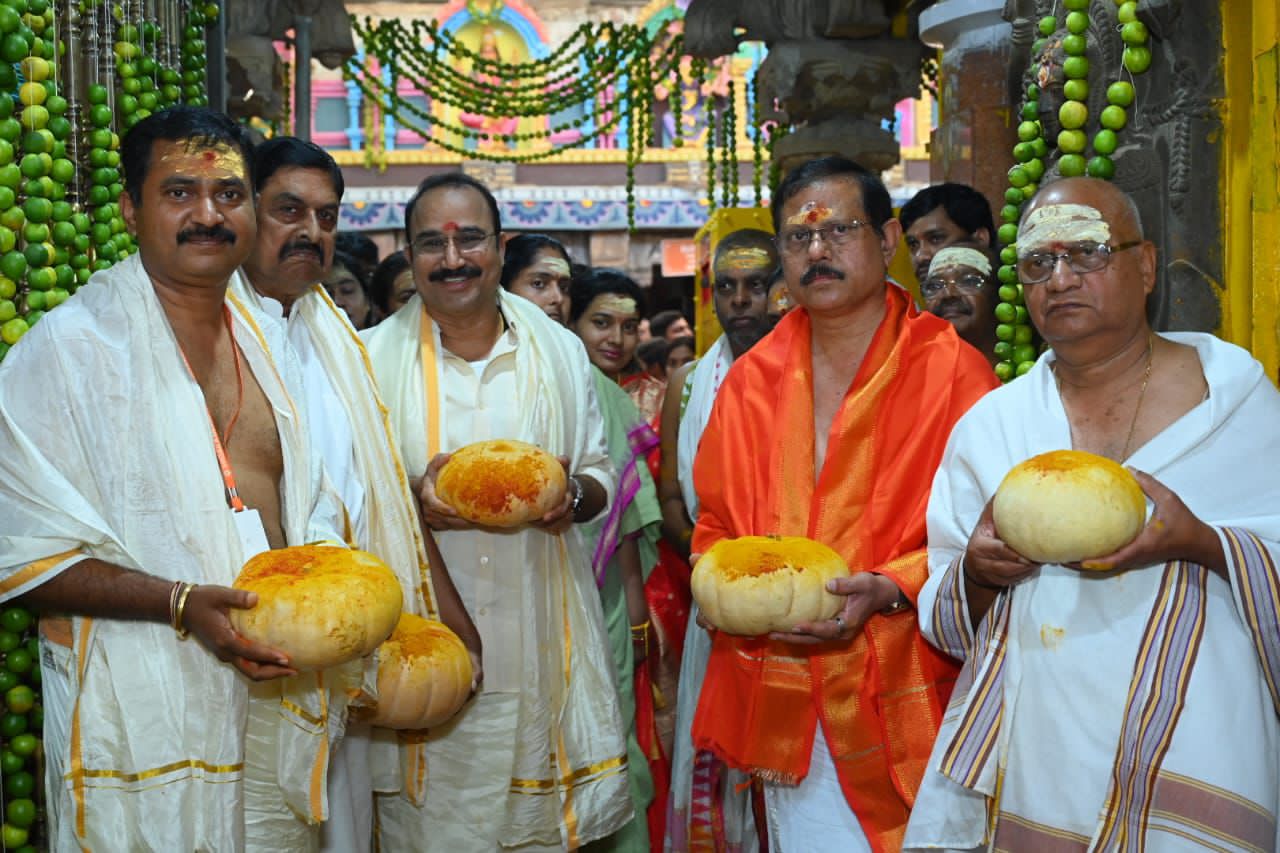
The traditional Kumbhotsavam was grandly conducted for Sri Bhraamarambha Devi at Srisailam for the welfare of the world.
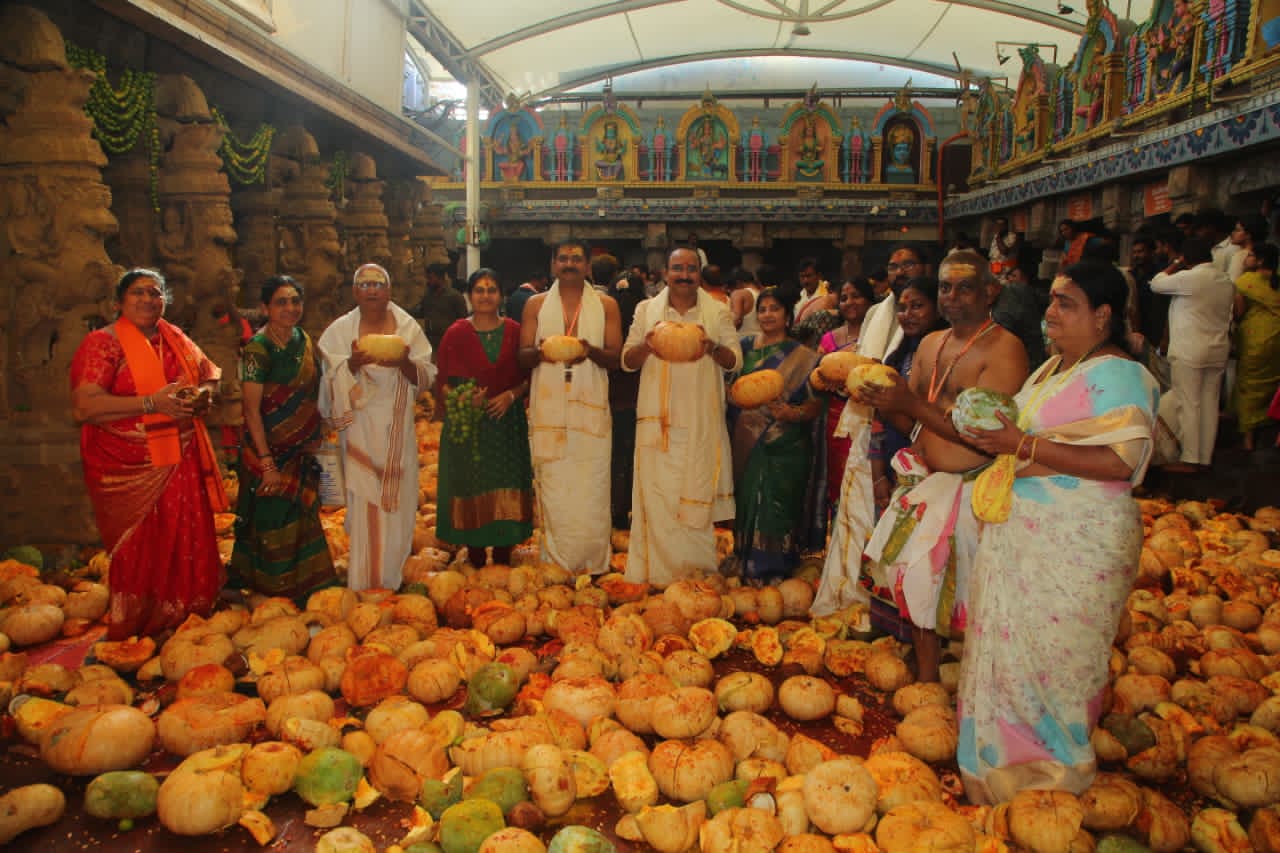
Every year, this special festival is traditionally held on the Tuesday or Friday following the full moon in the month of Chaitra. Offering a satvik bali (pure offering) to the goddess has become the main attraction of this festival.
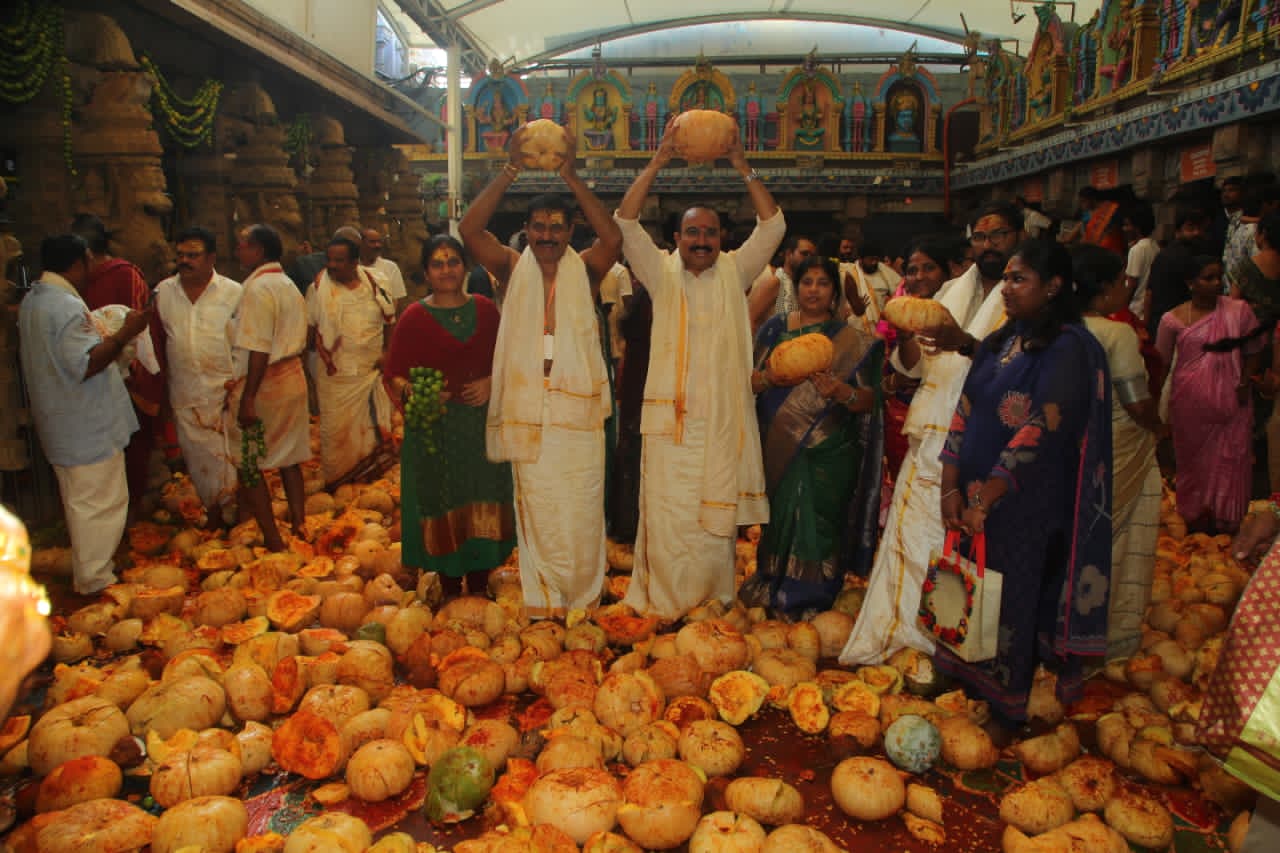
As part of this festival, items such as pumpkins, coconuts, lemons, and cooked rice were offered to the goddess as satvik balis. According to temple authorities, this time over 20,000 pumpkins, more than 5,000 coconuts, over 100,000 lemons, and cooked rice (kumbham) were offered. After the morning rituals, Navavarana Pooja, Trishati, Khadgamala, Ashtottara Kunkuma Poojas, and Parayanas were conducted for Sri Bhraamaramba. Following tradition, all these poojas were performed exclusively for the goddess.
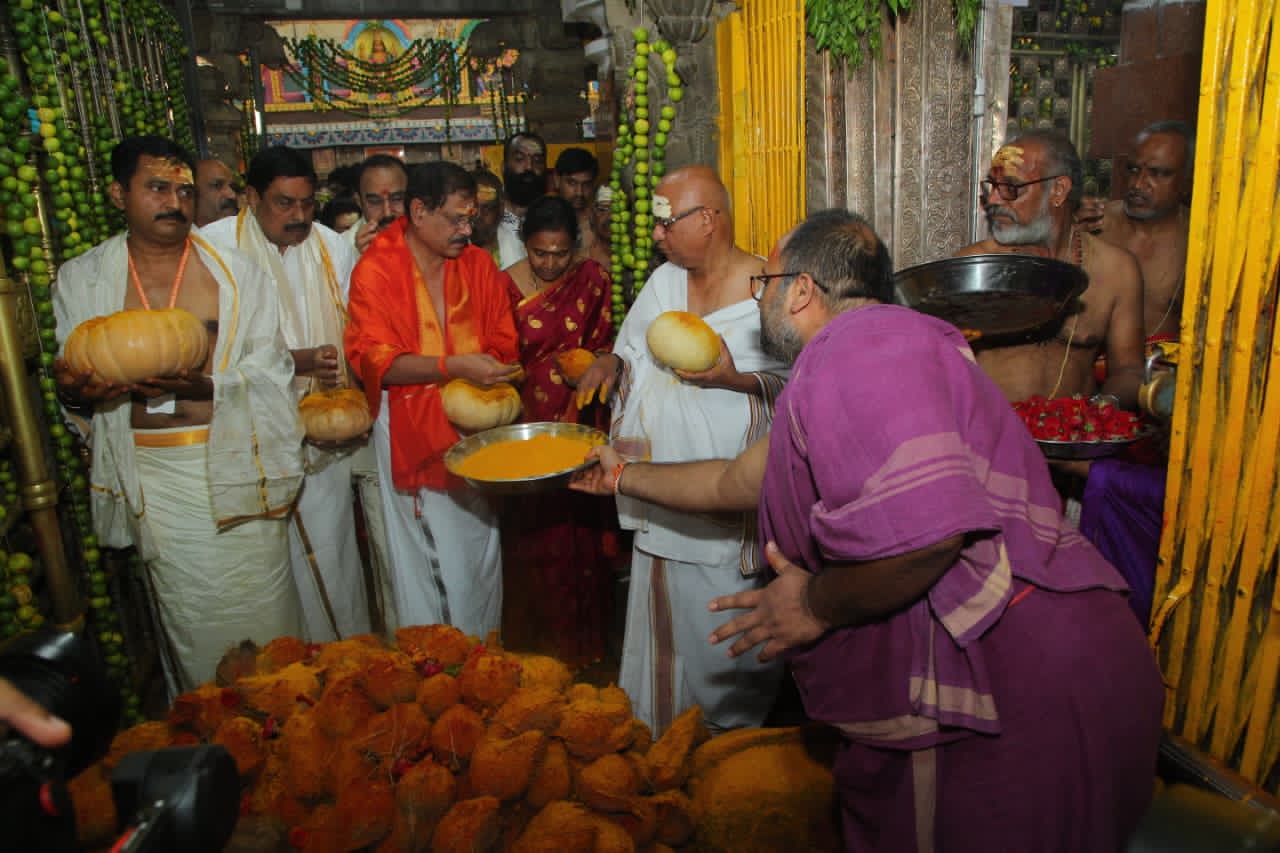
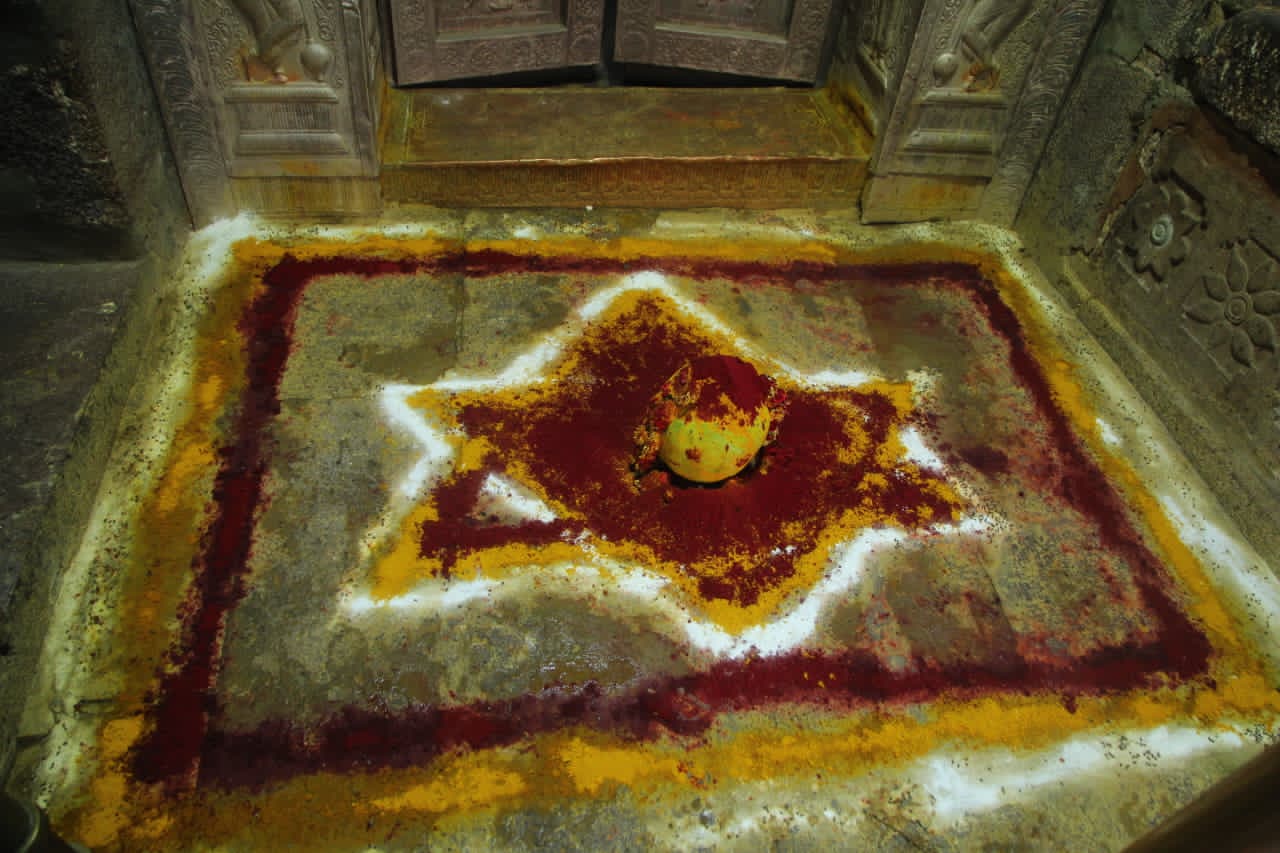
Subsequently, a special traditional pooja called Rajakarangavalli was conducted at the temple. In this, a special rangoli was made by a Rajaka (washerman), and significant poojas were performed at the Sri Chakra. Afterward, poojas were conducted for the coconuts and pumpkins prepared for the satvik bali and offered to the goddess. Furthermore, special poojas were also performed for Mahishasuramardini (Kotamma) at the Harahararaaya Gopura Dwaara, along with the offering of satvik bali. This evening, after the Pradosha poojas for Sri Mallikarjuna Swami, Annaabhisheka will be conducted.
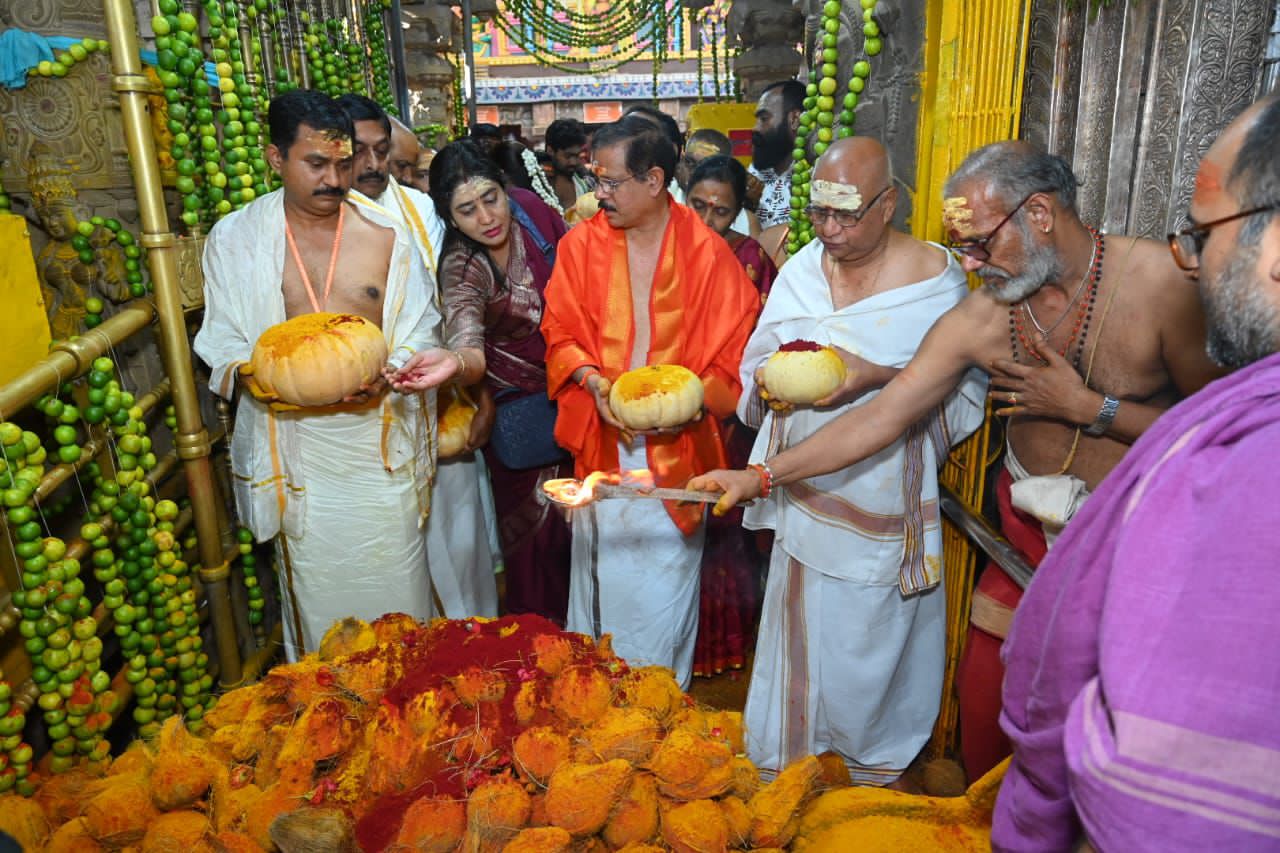
Later, at the Simhamandapam located in front of the goddess's temple, cooked rice will be offered as Kumbharashi, and as per tradition, a man dressed as a woman will present the Kumbha Aahuti (offering) to the goddess, marking the main event of the festival. Finally, special poojas will be conducted for the goddess, and a Mahaanivedanam with various rice dishes will be offered. Additionally, special poojas were also conducted for the village deity Ankalamma as part of this festival.
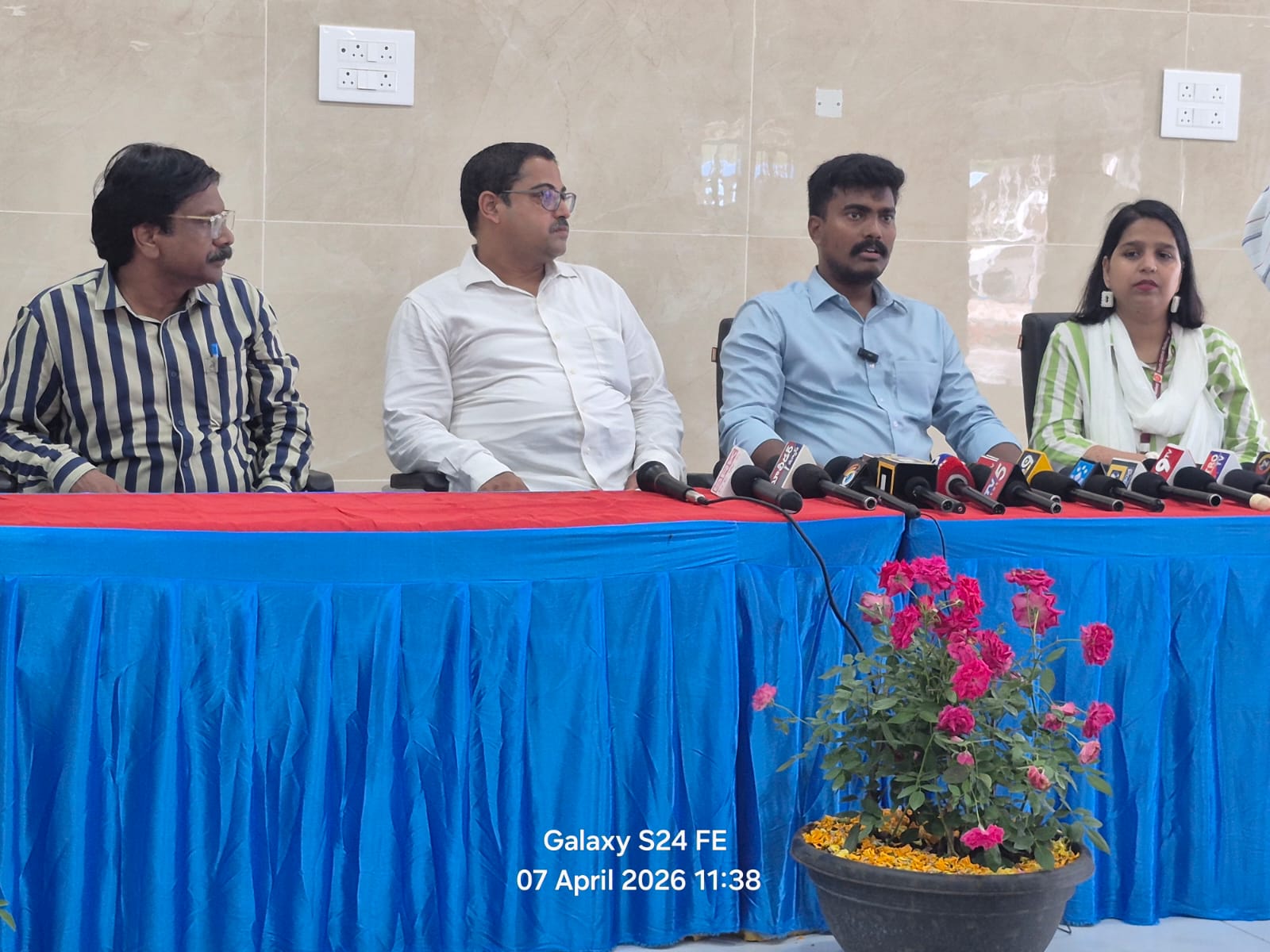
The event was attended by M. Srinivasa Rao, the Executive Officer of the temple, members of the Board of Trustees, priests, Vedic scholars, assistant executive officers, supervisors, and relevant staff.






Comments
Sign in with Google to comment.