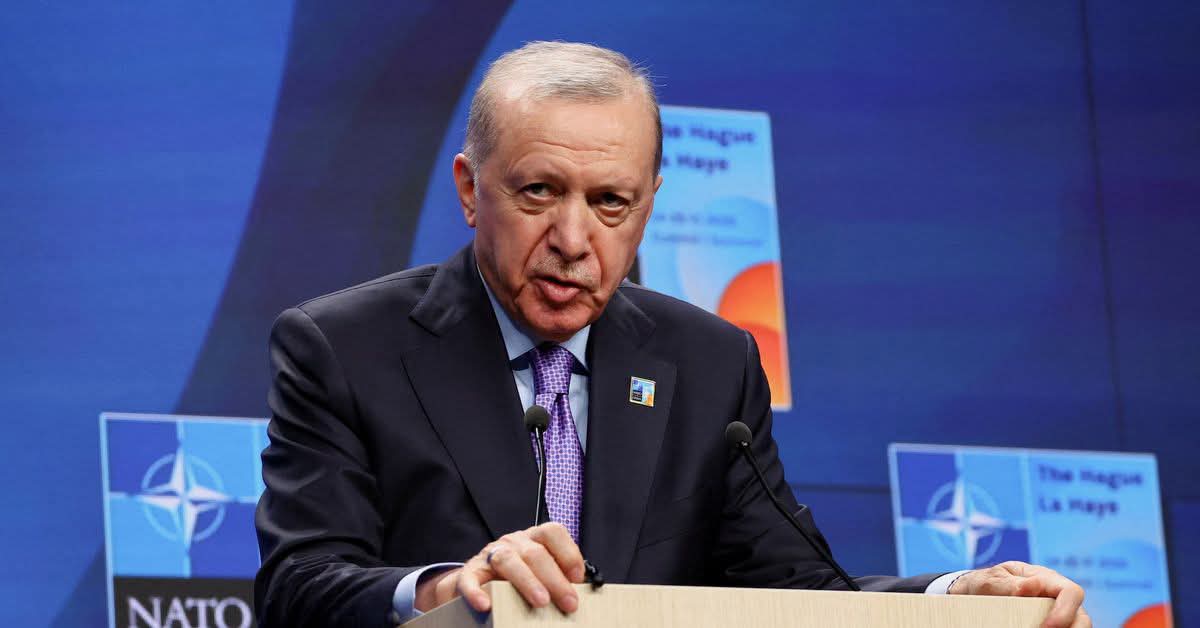
Brussels, July 1:
Writing Human rights concerns in Turkey have once again drawn international attention, with critics pointing to what they describe as a muted response from NATO allies despite ongoing allegations of democratic backsliding.
Rights groups have continued to raise concerns over restrictions on freedom of expression, the treatment of journalists, political opponents, civil society organizations, and the judiciary. However, many NATO member states have largely avoided public criticism of Ankara, prioritizing Turkey's strategic importance within the alliance.
Turkey occupies a key geopolitical position, controlling access to the Black Sea through the Bosporus and serving as a crucial partner in regional security, migration management, and NATO's southern flank. Analysts say these strategic considerations have often outweighed public pressure on human rights issues.
While some Western governments have periodically expressed concern over arrests, media freedoms, and judicial independence, they have generally maintained close security and defense cooperation with Ankara. Observers argue that the alliance has focused more on regional stability and collective security than on publicly challenging Turkey over its domestic policies.
Turkish officials have consistently rejected allegations of democratic decline, insisting that measures taken by the government are aimed at protecting national security, combating terrorism, and upholding the rule of law.
The debate highlights the continuing challenge for NATO members in balancing strategic interests with commitments to democratic values and human rights.













Comments
Sign in with Google to comment.