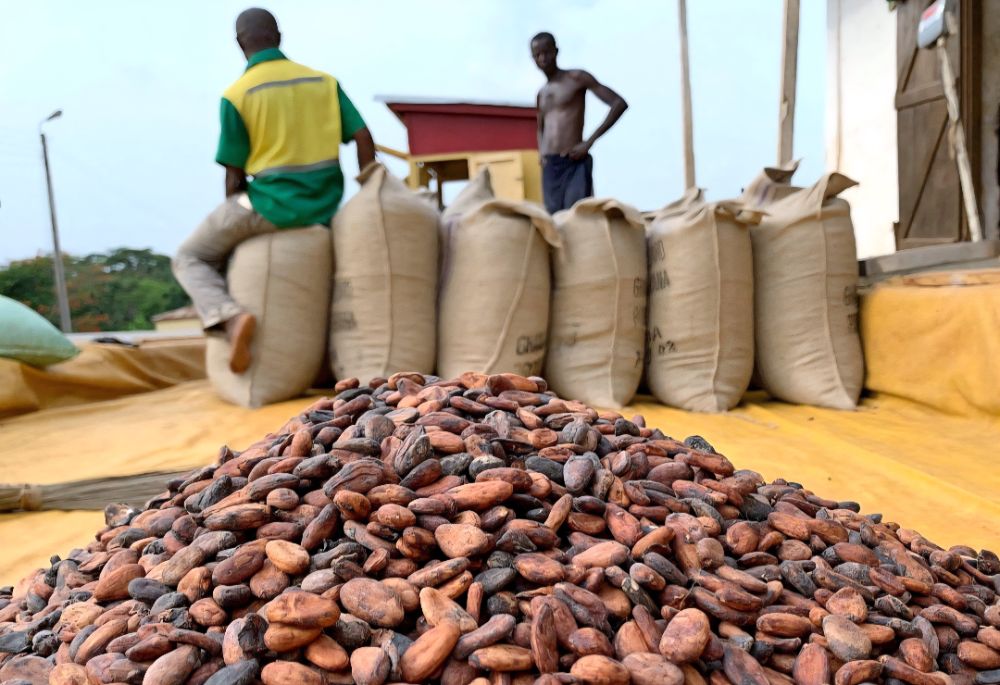
West Africa: Africa produces the cocoa that powers the world’s chocolate industry, but a major European Union environmental regulation is set to put a new burden on farmers and exporters seeking access to the European market.
The EU’s anti-deforestation rules require companies importing commodities such as cocoa to prove that their products are traceable to their farms and were not produced on land linked to recent deforestation. For cocoa exporters, that means increasingly detailed information about farms, supply chains and production locations.
The environmental objective is clear: Europe wants to ensure that products entering its market are not contributing to global forest destruction. But compliance comes at a price. Farm mapping, satellite monitoring, data collection, digital traceability and verification systems can be expensive—particularly for small-scale farmers and local suppliers with limited resources.
The pressure could be especially significant for major African cocoa producers such as Côte d’Ivoire, Ghana and Nigeria, where millions of livelihoods are connected directly or indirectly to the cocoa industry. While large exporters may have the financial and technical capacity to meet the new requirements, smaller producers could face a far tougher challenge.
The debate is therefore moving beyond environmental protection to a bigger question of fairness in global trade. If Europe wants deforestation-free cocoa, who should pay for the systems needed to prove it? African producers fear that if compliance costs are pushed down the supply chain, farmers could ultimately bear the burden—or risk losing access to one of the world’s biggest cocoa markets.
Africa grows the cocoa. Europe sets the rules. Now the critical question is whether the cost of protecting forests will be shared fairly—or whether Africa’s farmers will be left to pay the price.














Comments
Sign in with Google to comment.