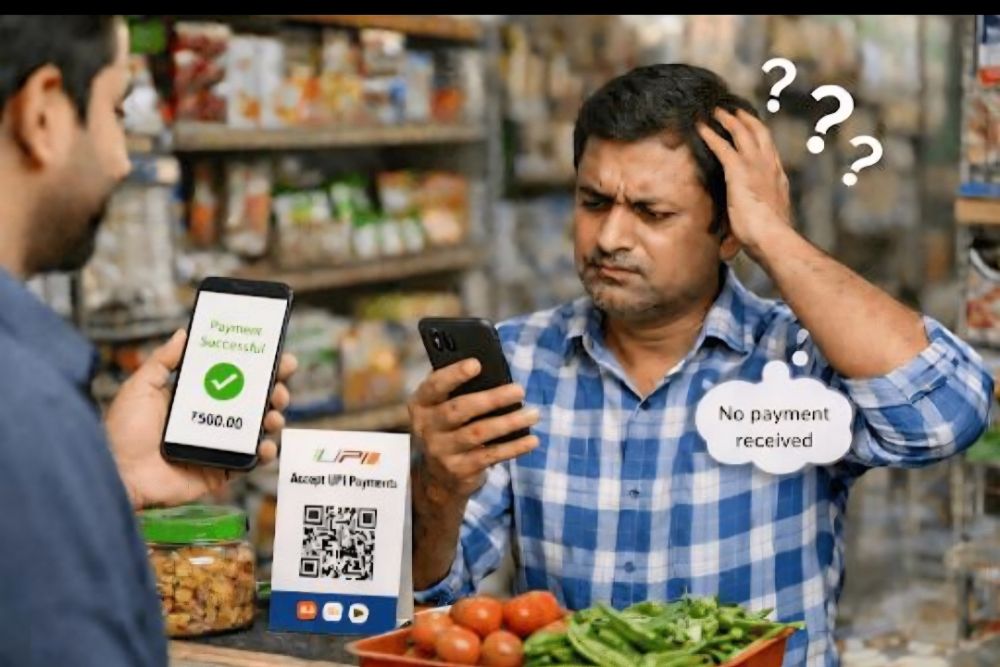
New Delhi: The implementation of the Merchant Discount Rate (MDR) on UPI is leading to intense discussions in the country's political arena. The Congress party is strongly opposing the decision to impose a 0.4% MDR on certain UPI merchant transactions exceeding ₹2,000.
Is it just for the benefit of American card giants?
With American card networks like Visa and Mastercard unable to compete with UPI, Congress alleges that the central government has succumbed to American pressure to benefit these companies.
This is the real question now!
Until now, the absence of MDR on UPI has made it a low-cost payment method for businesses. With the introduction of a 0.4% MDR, there could be a charge of up to ₹40 on a ₹10,000 merchant transaction. This will somewhat reduce the cost difference between UPI and card payments.
But is there really American pressure?
Here lies the key twist. There is currently no public evidence to confirm that India made this decision solely due to pressure from the U.S. or the Trump administration. While Congress is making this accusation, the central government is denying any foreign pressure claims.
Charges on UPI... a chance for card companies? While the MDR may provide some commercial advantage to card networks like Visa and Mastercard in terms of competition, there is currently no evidence to confirm that this is the primary reason for the decision. Charges on UPI... a chance for card companies?
While the MDR may provide some commercial advantage to card networks like Visa and Mastercard in terms of competition, there is currently no evidence to confirm that this is the primary reason for the decision.
Will the political flames over UPI MDR intensify?
Amid Congress's accusations and the central government's denials, the issue of MDR on UPI has now become a hot political topic. Will the political flames over UPI MDR intensify? Amid Congress's accusations and the central government's denials, the issue of MDR on UPI has now become a hot political topic.






Comments
Sign in with Google to comment.